
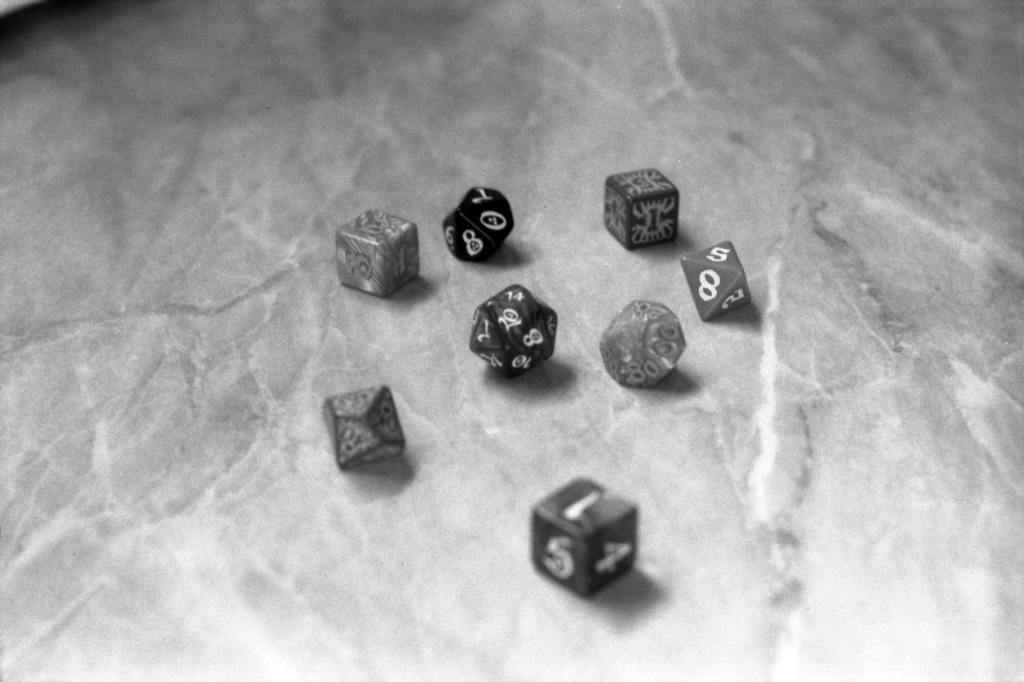
D&D or Dungeons and Dragons might seem like that niche thing that nerds play in game shops or at home rolling dice and eating junk food, and while that’s definitely true to an extent its so much more than that.
I started play D&D around 2014 when I was around 18 and though I didn’t know it at the time this little game of Dice, Dungeons and Monsters would go on to influence how I approach problems in Design and in general life. Slowly over the course of a few years I began to become heavily invested in D&D buying books and began, rather than just running the books, trying to understand the design methodology of why these rules were the way they are.
I began to ask questions of the game to try and understand why the original designers had made these decisions.
Why have the class wizard when warlocks and sorcerers are so much more powerful casters? Why bards seemed to end up as the parties face so often? Why many people found Human Fighters so boring and yet they are the most played class?
When I started understanding these questions, like the reason Wizards exist, I found that while they are not as powerful as sorcerers, or as customisable as warlocks, wizards have both an inherent charm to them and a unique ability. While it might not be as flashy as others and can be often overlooked it makes the wizard a true force to be reckoned with.
How does this tie back to design? Simply understanding something isn’t just looking at a piece of design and going “I understand this” its being able to understand the threads that lead to it. Understanding the why not just the what. Understanding if you change X, Y will happen and so on. To design is to create and while good works have been created through simply knowing, understanding the design and intention can make a good work great.
So how did D&D change design for me? By letting me peak behind the curtain and seeing the truth.
 That Bearded Designer